Private Foot and Ankle Surgery in London: Costs and Insurance
Mr Malagelada sees insured, self-funding and embassy-sponsored patients at four central London locations. Every price on this page is the price you are quoted in writing before anything is booked.
From Achilles tendonitis to bunion correction, see how our combined approach starting with non-surgical options delivers measurable relief and restored function.
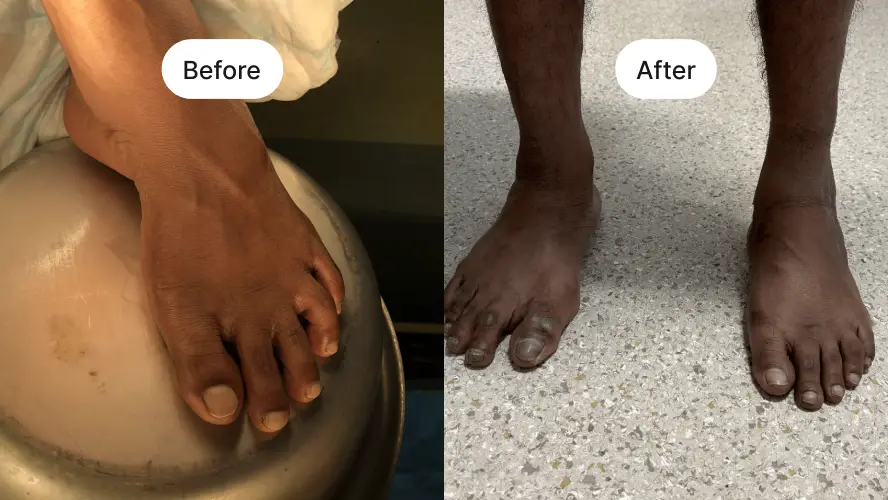
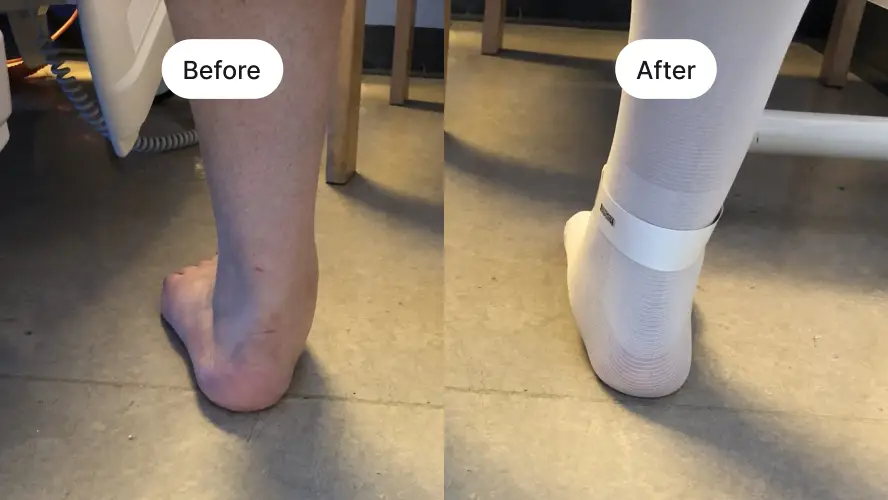
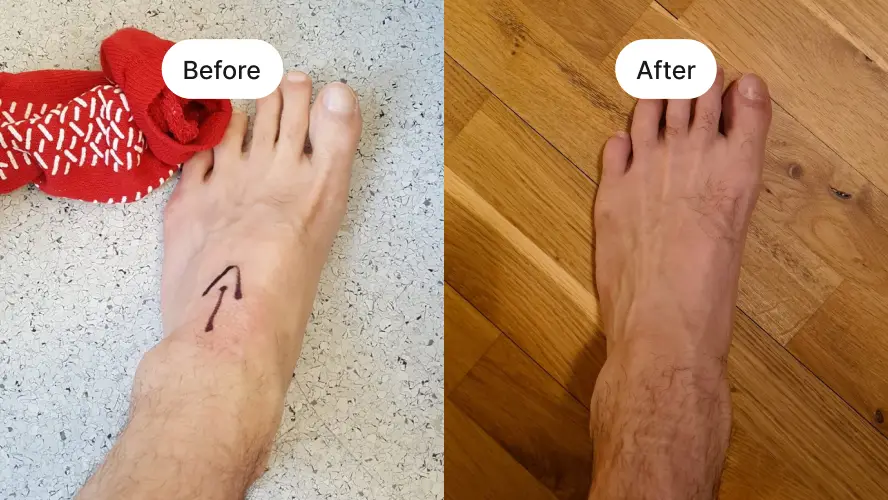
Cavus foot reconstruction
A high arch that tipped the weight onto the outer edge of the foot, brought back into line.
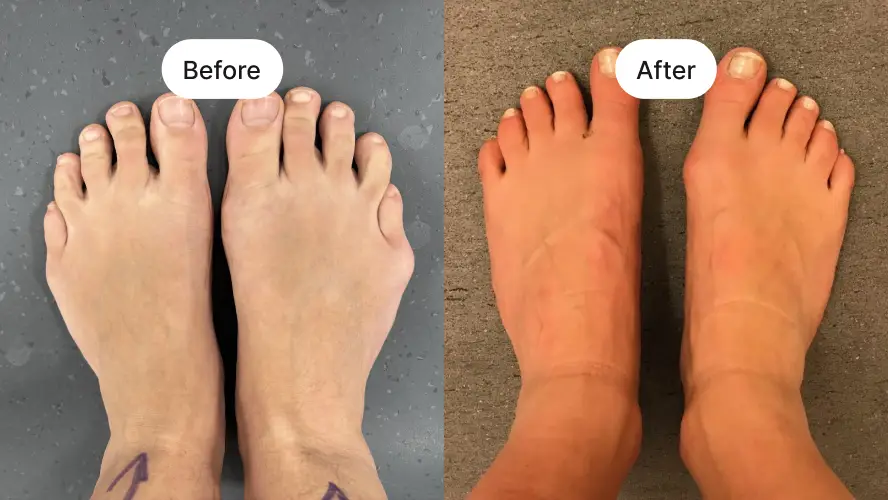
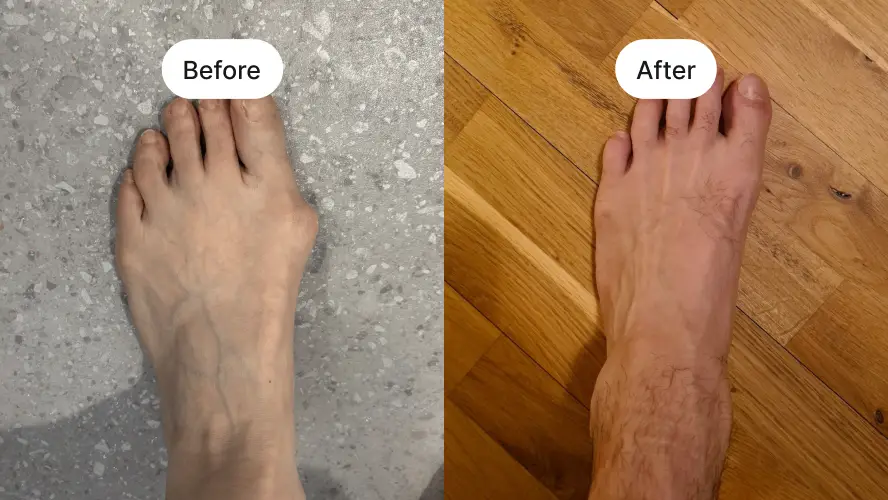
Bunionete keyhole surgery
The bony bump at the base of the little toe, corrected through two small incisions.
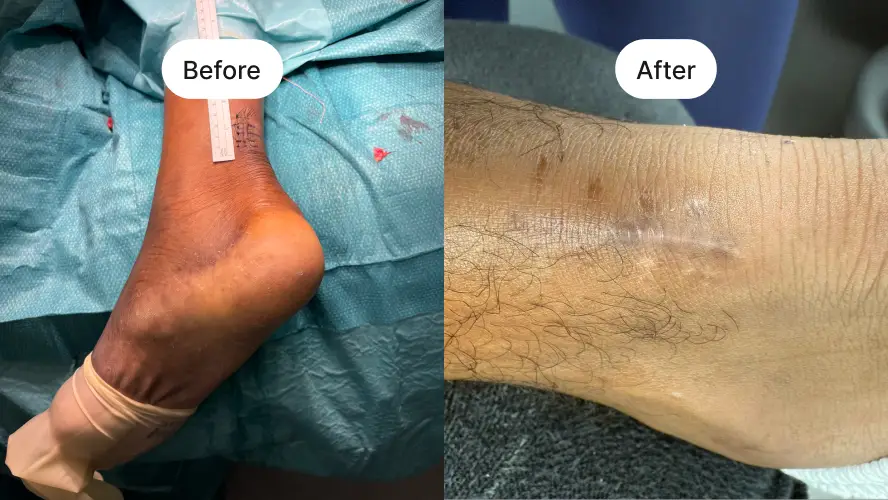
Achilles surgery
A thickened, painful Achilles tendon repaired, with the swelling at the back of the heel settled.
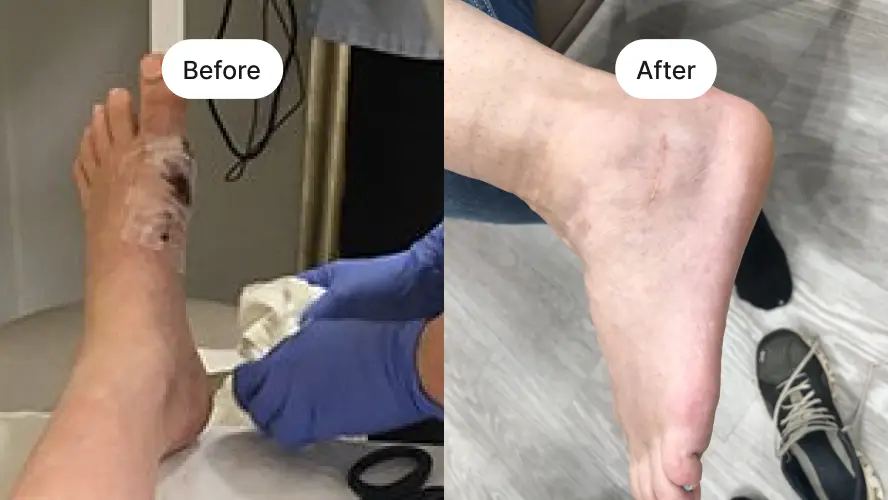
Calcaneal fracture
A broken heel bone rebuilt so the foot sits square and can take weight again.
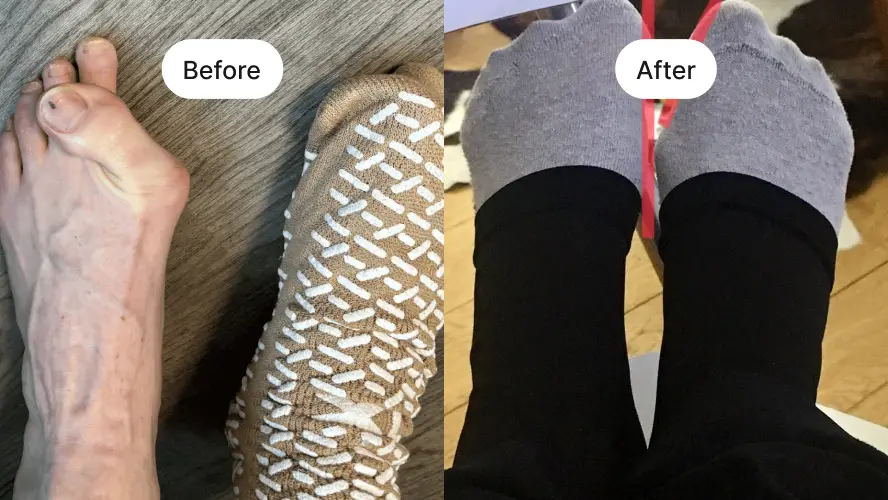
Flatfoot reconstruction
A collapsed arch with the heel rolling inwards, rebuilt to sit straight.
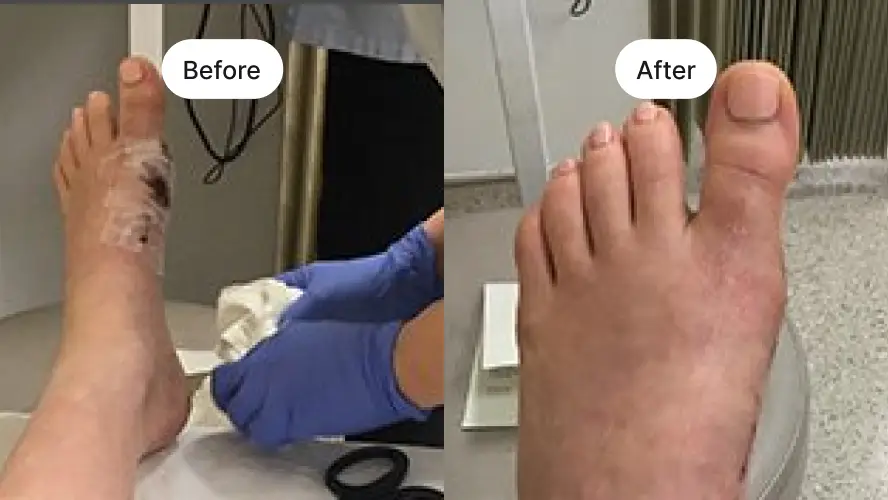
Ingrown toenail
The nail edge that had grown into the skin, removed so the toe can heal cleanly.
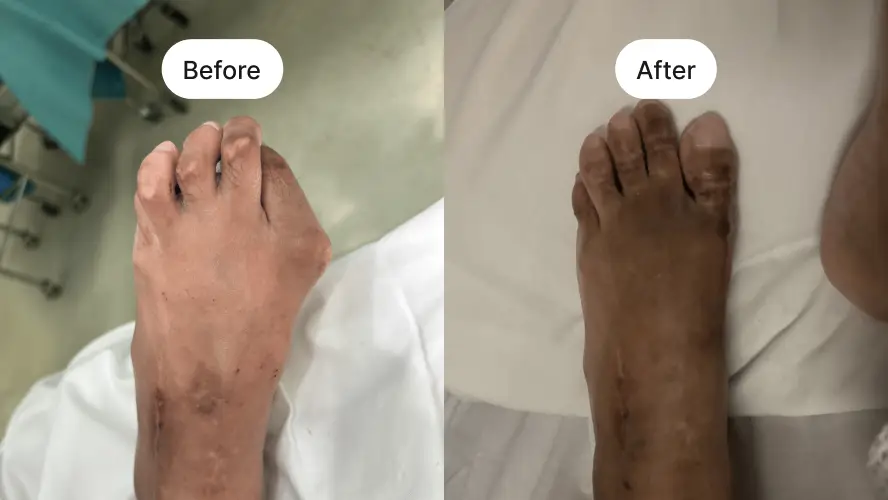
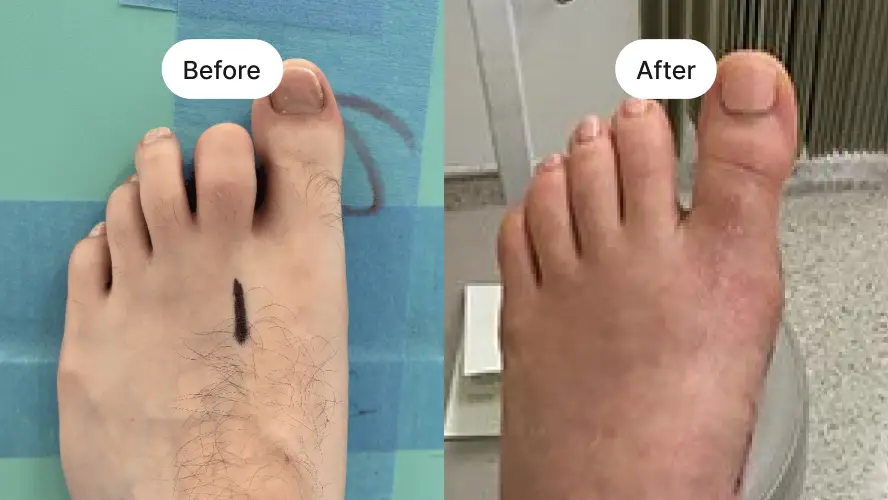
Forefoot reconstruction
Several toe deformities straightened in one operation so the foot fits a shoe again.
Ankle fracture
A broken ankle held with plates and screws, healed back into line.
Ganglion surgery
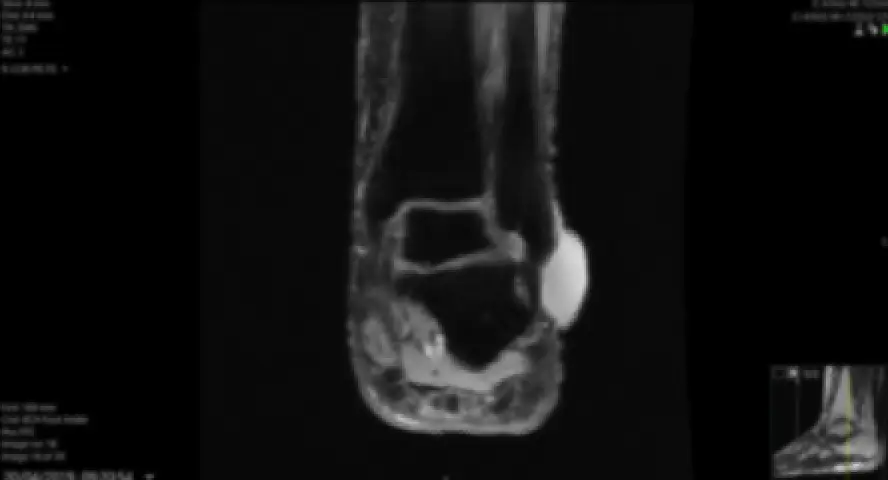
A soft lump that caught on footwear, removed with the ankle back to normal.
Hallux keyhole
Bunion correction through keyhole incisions, with the big toe straightened.
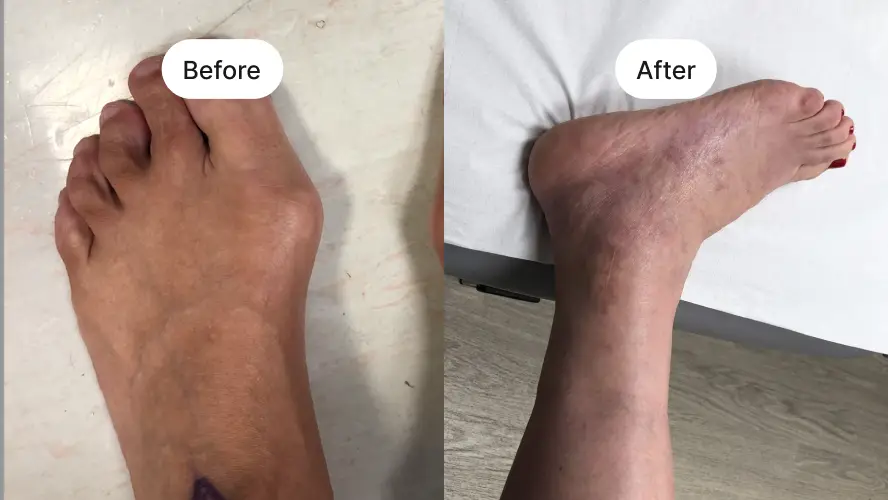
Hallux open
The same correction done open, for a bunion too advanced for the keyhole approach.
Lesser
Bent, clawed toes straightened so they sit flat and stop rubbing.
Booking
Call the office on 020 8629 0932 or send an enquiry. You do not need to be referred, though insured patients usually will be.
New patient form
Two to three minutes, once. You can fill it in before you arrive, in your own time.
History
Mr Malagelada will ask you about the problem in your own words, then ask a few questions to build the full picture.
Examination
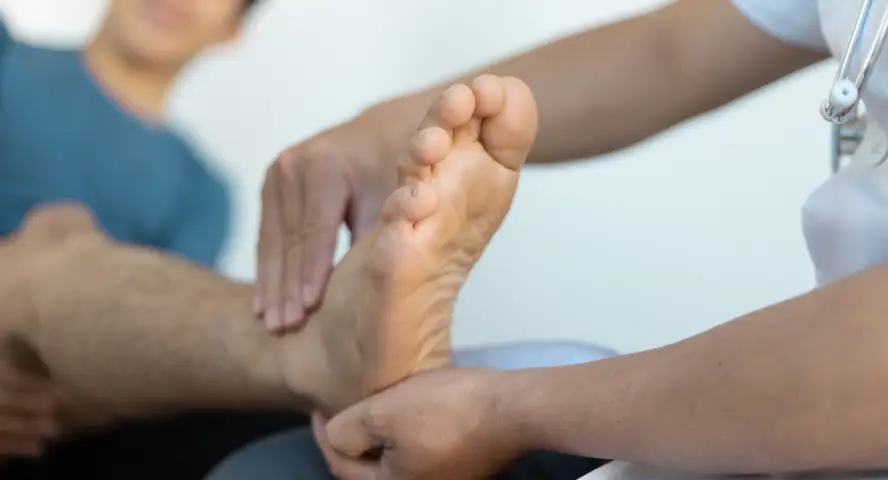
You will be asked to take off your shoes and socks so a series of gentle tests can be carried out on both feet and ankles.
Diagnosis
The findings are explained in plain terms, along with what is causing the problem.
Investigations
Most diagnoses need confirming with imaging. That usually means an X-ray, ultrasound, CT or MRI scan. Blood tests are occasionally needed.
Next steps
The treatment options are weighed up together, including the option of doing nothing for now. You leave knowing what happens next and what it will cost.
What happens at your appointment
What your appointment looks like, start to finish
Seven stages. Many patients leave the first visit with a diagnosis and a written plan.
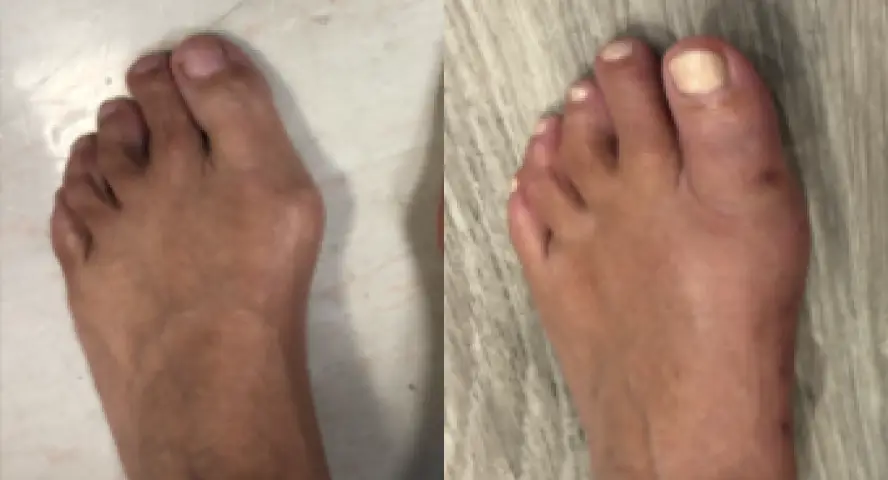
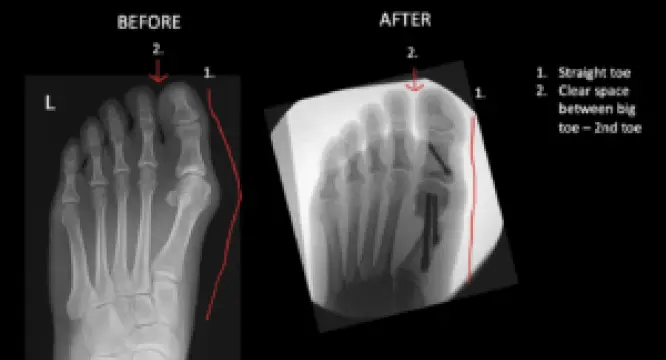
X-rays of a left foot before and after minimally invasive bunion surgery. The big toe is straight, and the gap between the first and second toe has been restored.
Day 0
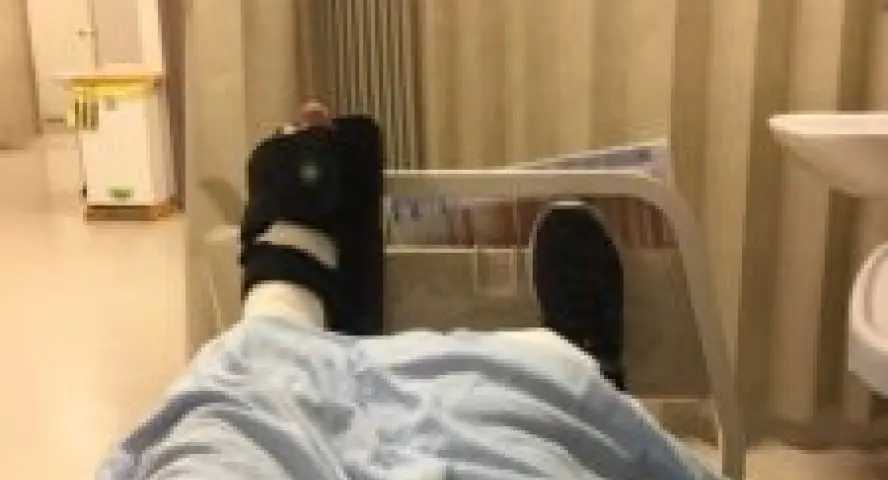
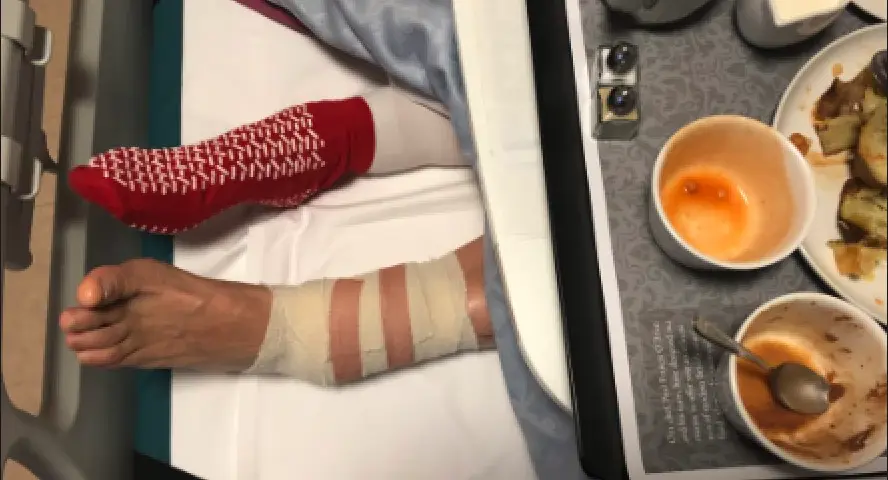
In recovery straight after surgery, with the post-operative bandage in place.
Day 0
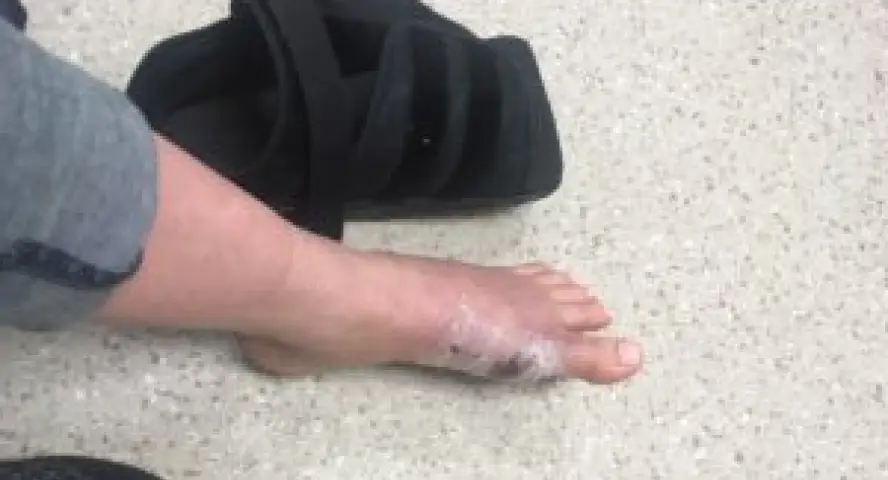
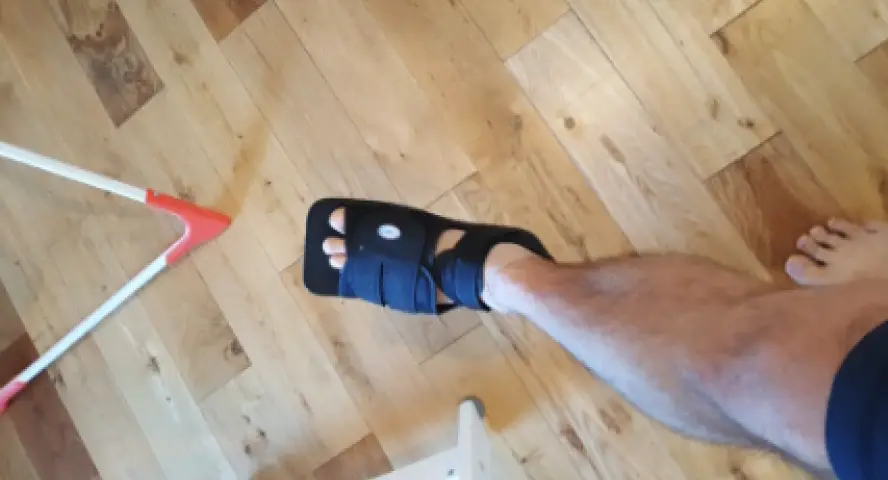
Leaving hospital in the post-operative shoe. You can walk on the foot from the day of the operation.
Week 1 After Surgery
First follow-up appointment. The dressings come off, and the wound is checked.
Week 2 after surgery
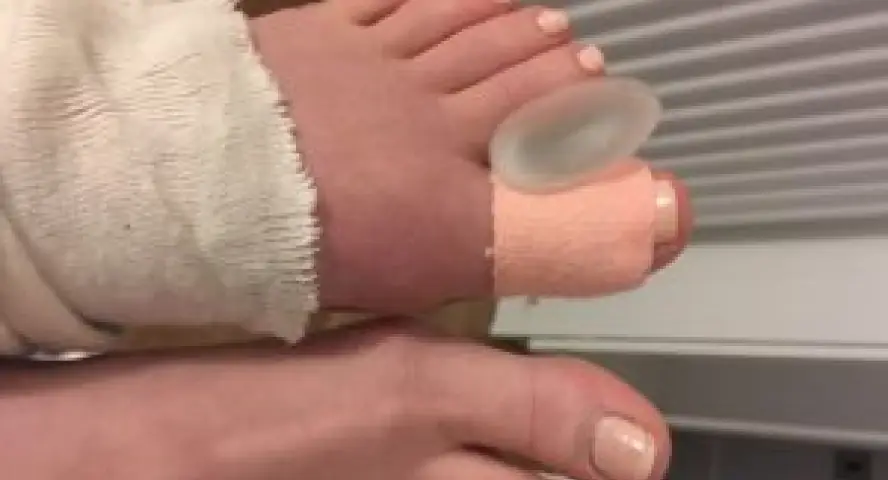
Second follow-up. All dressings are removed, and a silicone spacer goes on for the next three weeks. You start moving back into normal shoes
Week 4 after surgery
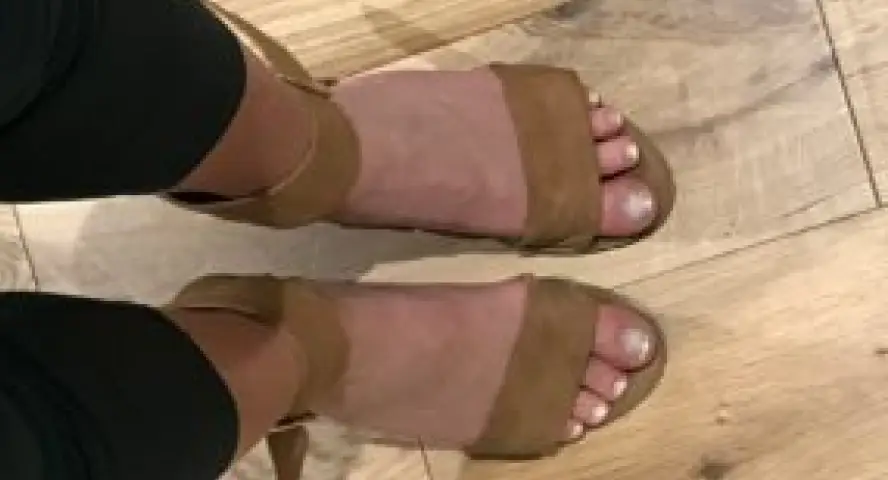
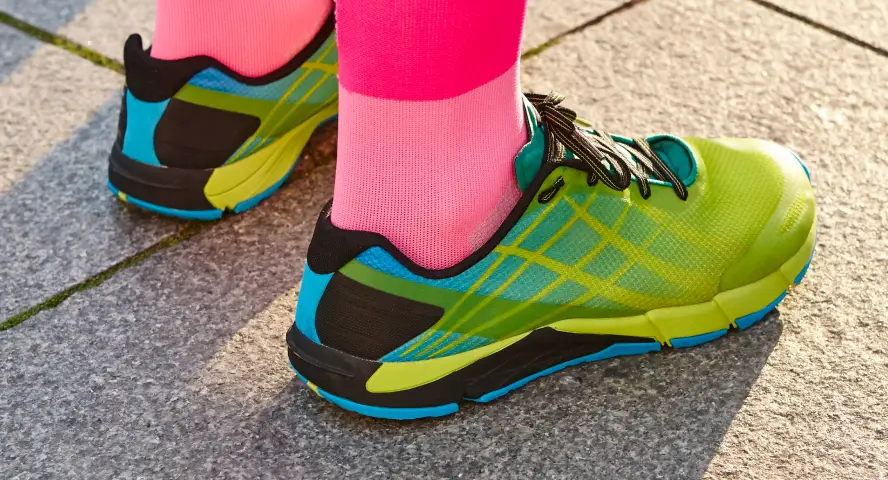
Back in trainers and socks.
Final outcome
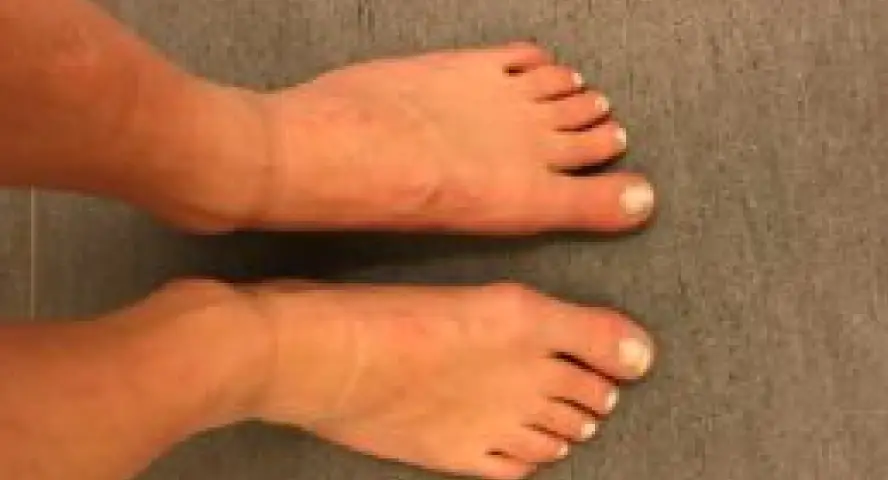
The final result at six months.
Gallery
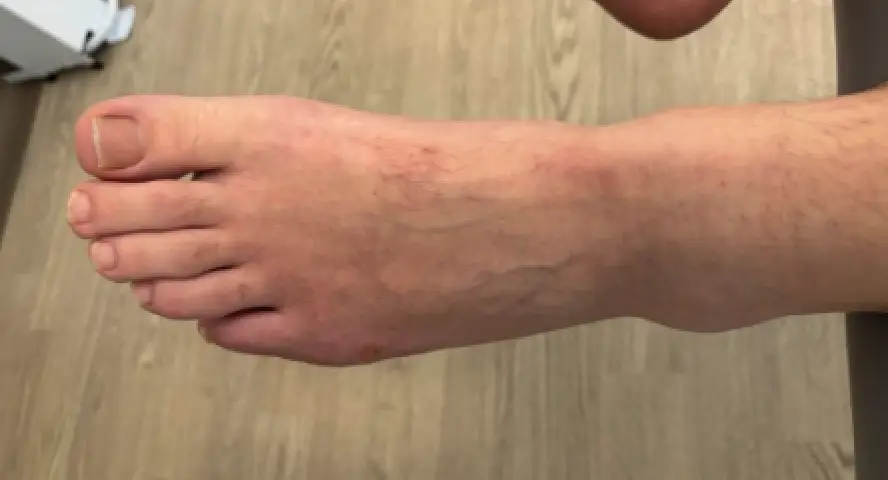
How the keyhole incisions look as they settle. A is three months after surgery; B is four months.
Arthroscopy
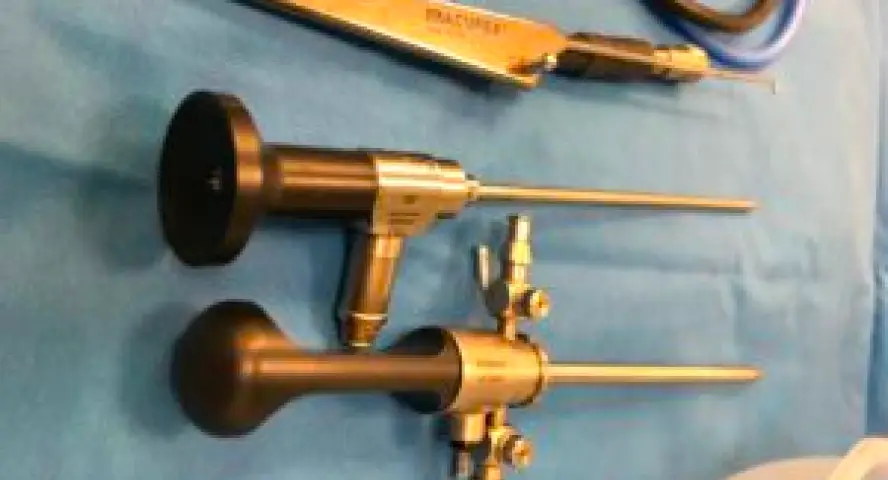
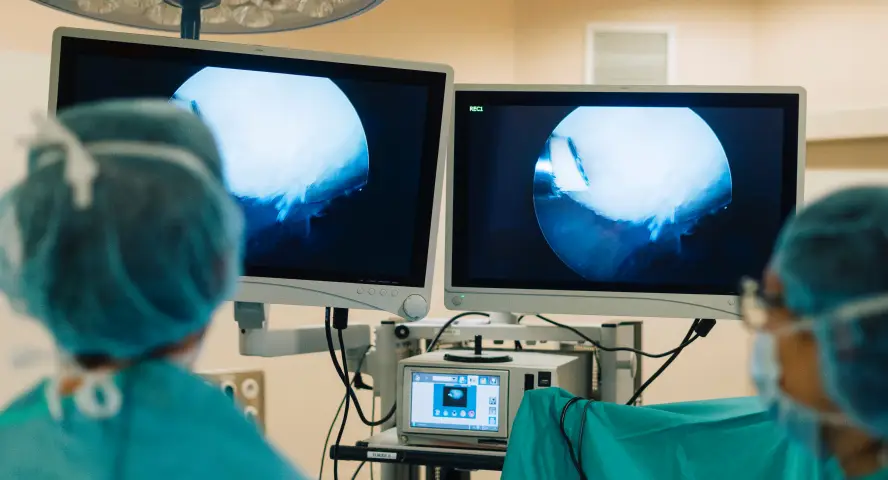
The arthroscopic instruments used to work inside the ankle joint through two small incisions and see it on screen.
Day 0
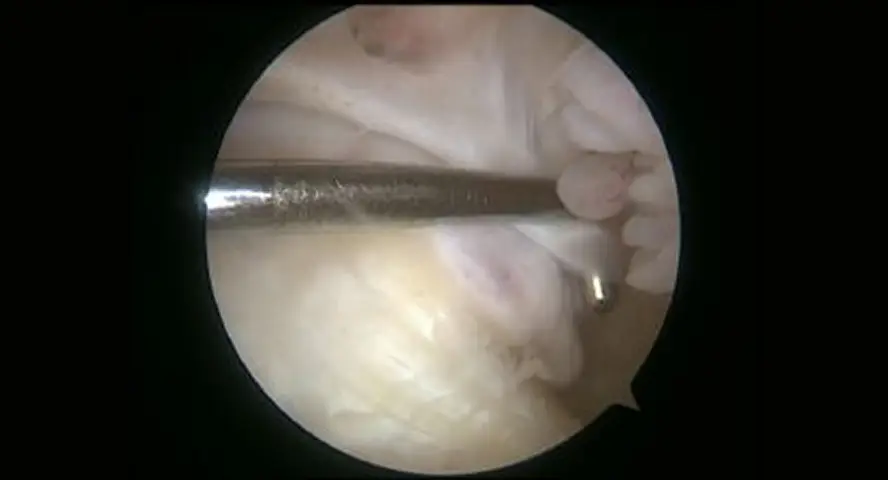
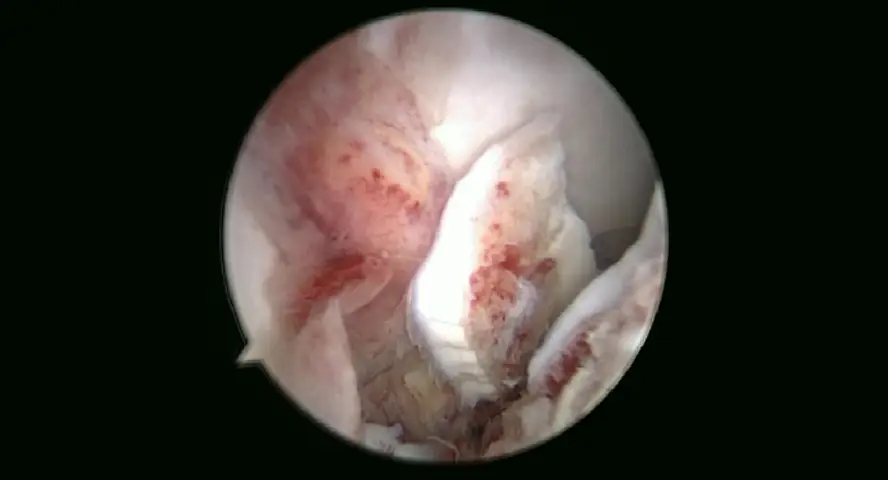
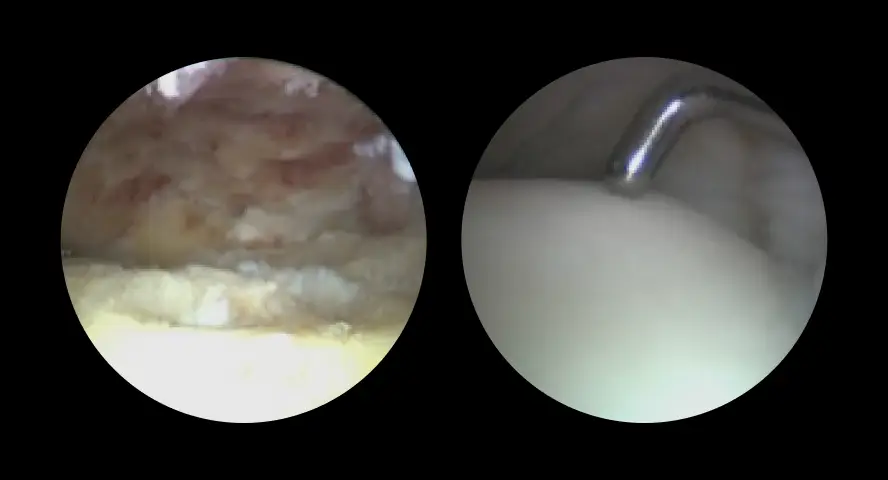
The view from inside the joint during surgery. The scar tissue and the bone spur at the front of the ankle are both visible.
Day 0
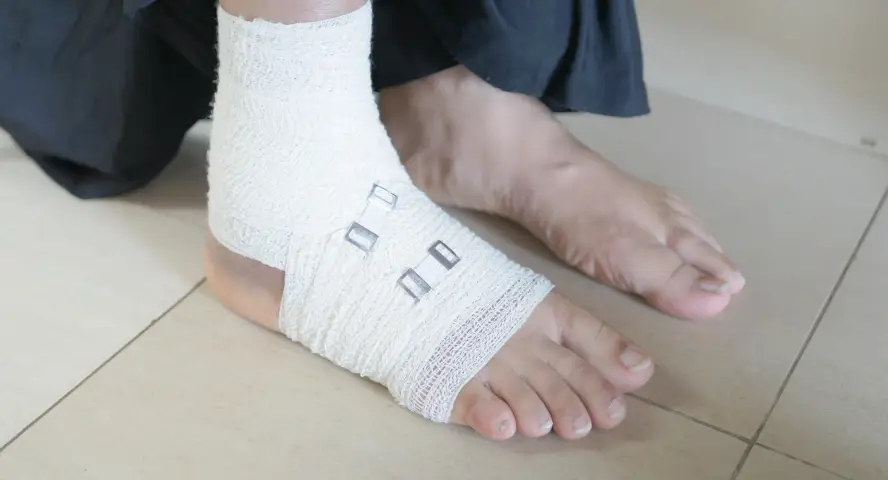
In recovery with a soft bandage around the ankle.
Day 0
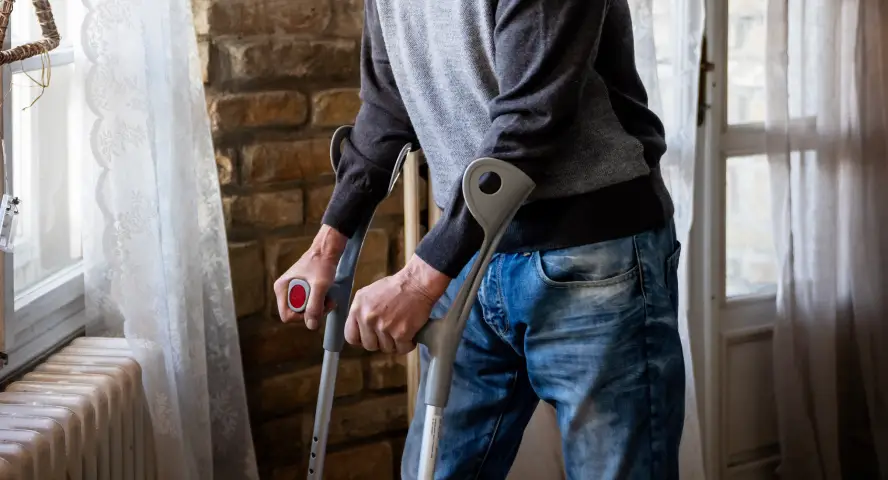
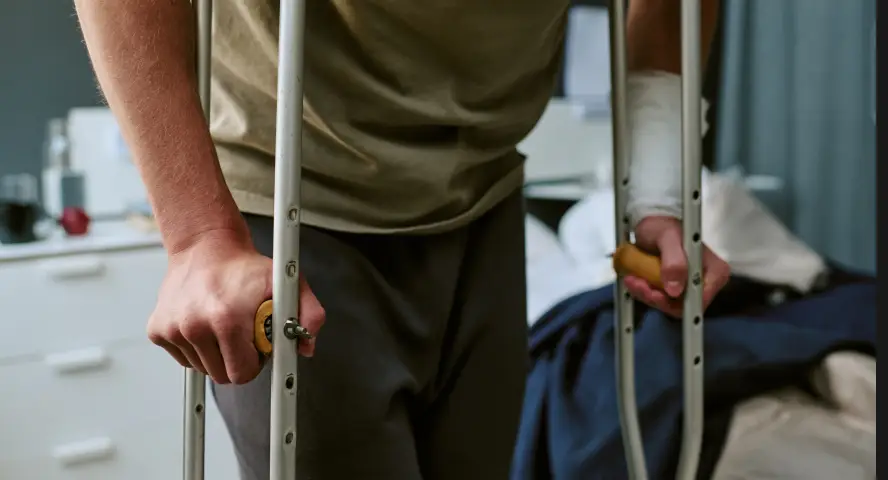
Leaving hospital on crutches the same day.
Week 1 after surgery
First follow-up appointment. Dressings off, wound checked, and physiotherapy starts.
Week 4 after surgery
Second follow-up. Back to everything you were doing before.
Synthetic Cartilage Implant
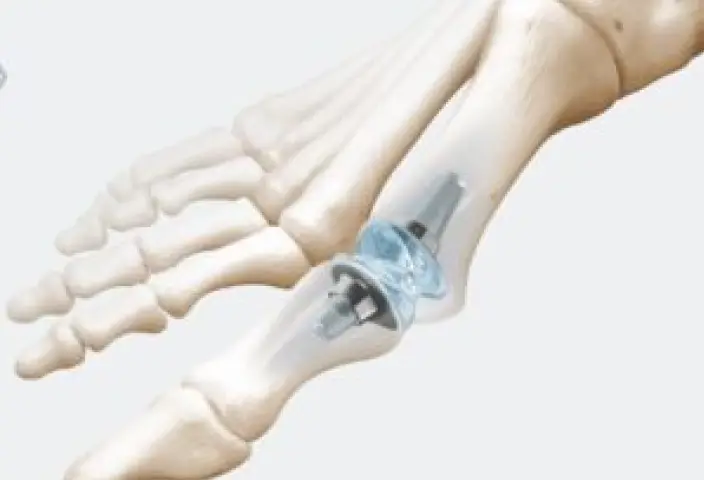
A synthetic cartilage implant for osteoarthritis of the big toe joint. It is a small button that sits in the joint to reduce pain while keeping the movement you have.
Day 0
In recovery with the foot bandaged.
Day 0
Walking out of hospital in a post-operative shoe. Gentle toe movements start straight away.
Week 1
First follow-up appointment. Dressings off, wound checked, and physiotherapy starts.
Week 3
Back in low heels.
Fractured Ankle
A 3D reconstruction from the CT scan showing how the ankle has broken.
Day 0
Fracture reduction using surgical instruments and plates and screws.
Day 0
The camera also shows small bone fragments floating inside the joint. These are removed at the same time, which an open operation would have missed.
Day 0
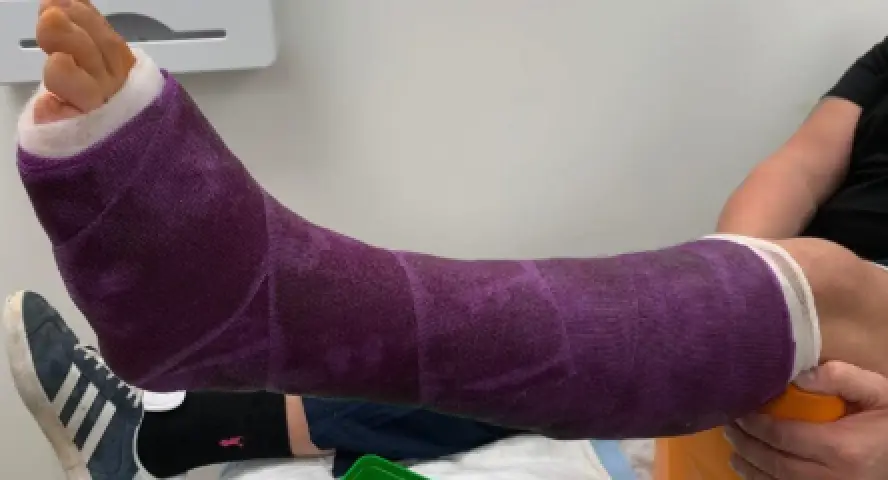
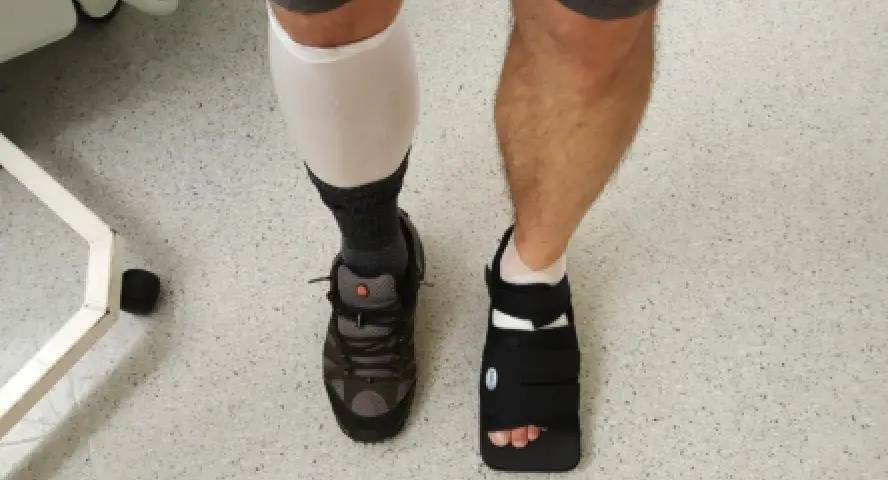
Leaving hospital in a cast and on crutches.
Week 1
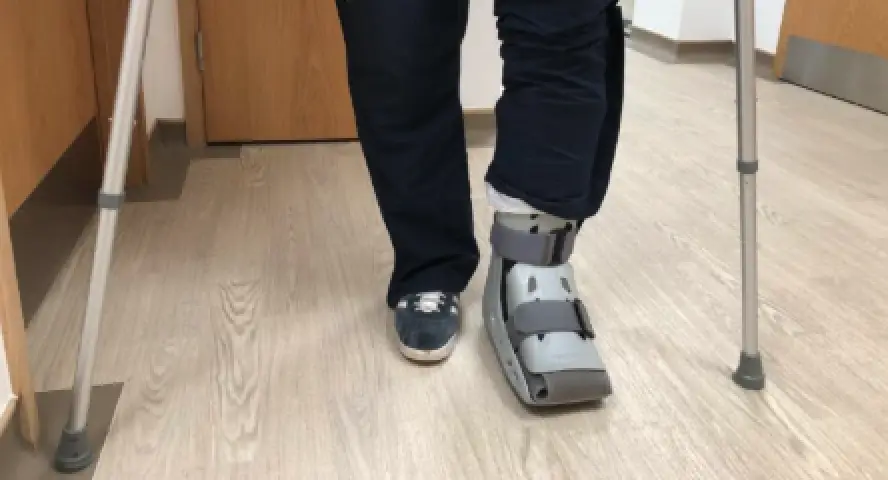
First follow-up appointment. The cast comes off, and you move into a boot. Physiotherapy starts, and how much weight you can put through the ankle depends on the type of fracture.
Week 4
Back in trainers and socks.
Arthroscopy
An ankle fusion has traditionally meant opening the joint. The same operation can be done through two small incisions using arthroscopy, which usually means a faster recovery.
Healthy vs damaged cartilage
Healthy ankle cartilage on the right, worn and damaged cartilage on the left. This is what makes the ankle painful.
Day 0
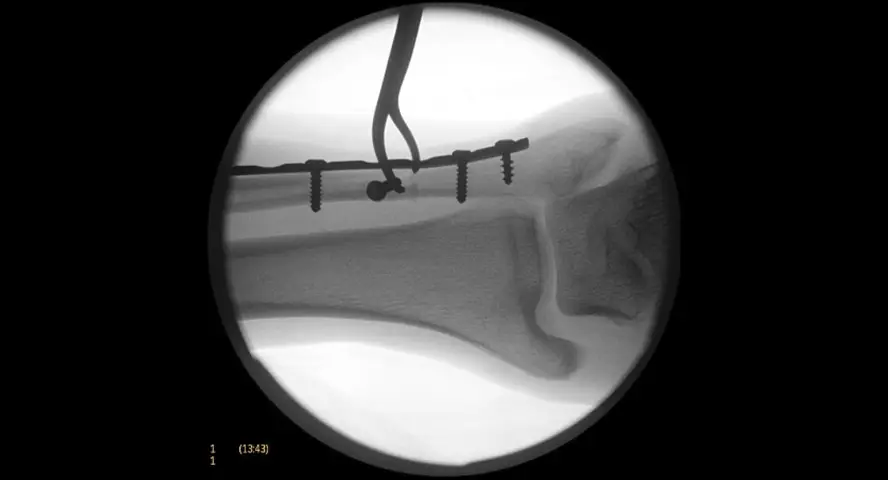
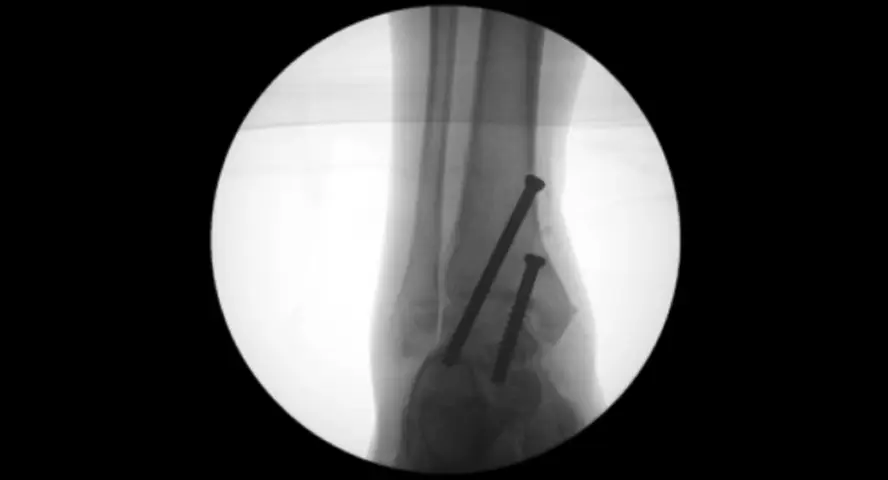
X-rays taken during the operation to check the screws are sitting correctly.
Day 0
Leaving hospital in a cast and on crutches.
Week 2 after surgery
Into a lighter fibreglass cast, still on crutches.
Week 6 after surgery
Into a boot and starting to put weight through the ankle, with gentle exercises.
Week 10 after surgery
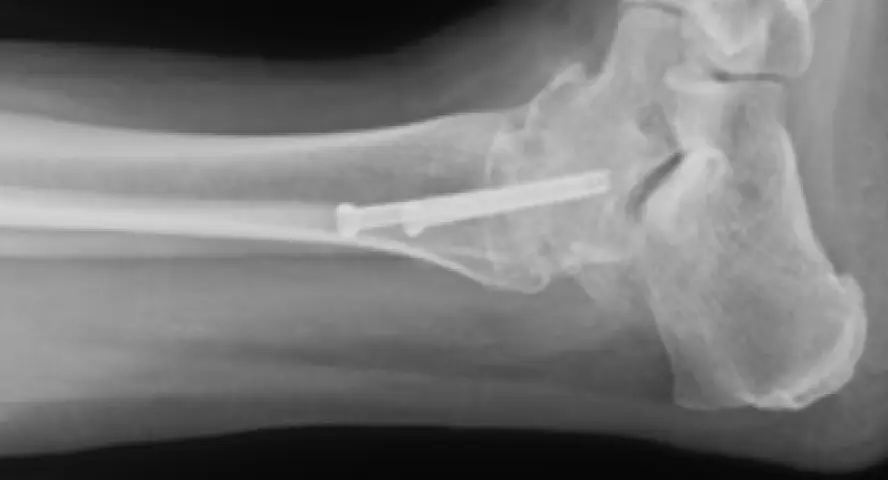
Back into normal shoes and continuing physiotherapy. The X-ray shows the fusion has taken, with the metalwork in place.
Day 0
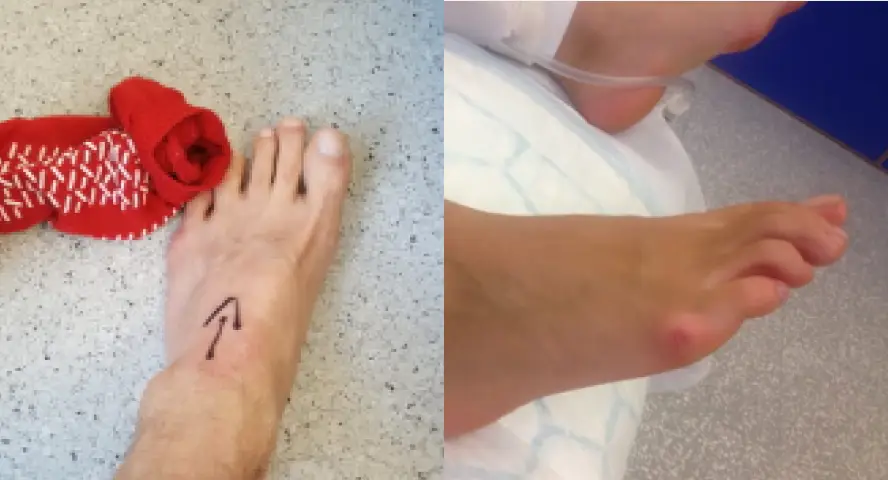
In hospital prepared for surgery. Two different examples of bunionettes.
Day 0
Leaving hospital in the post-operative shoe. You can walk on the foot from the day of the operation
Week 1 after surgery
First follow-up appointment. The wound is checked, and a fresh bandage is applied to hold the correction.
Week 4 after surgery
Second follow-up. All dressings come off and you start moving back into normal shoes.
Day 0
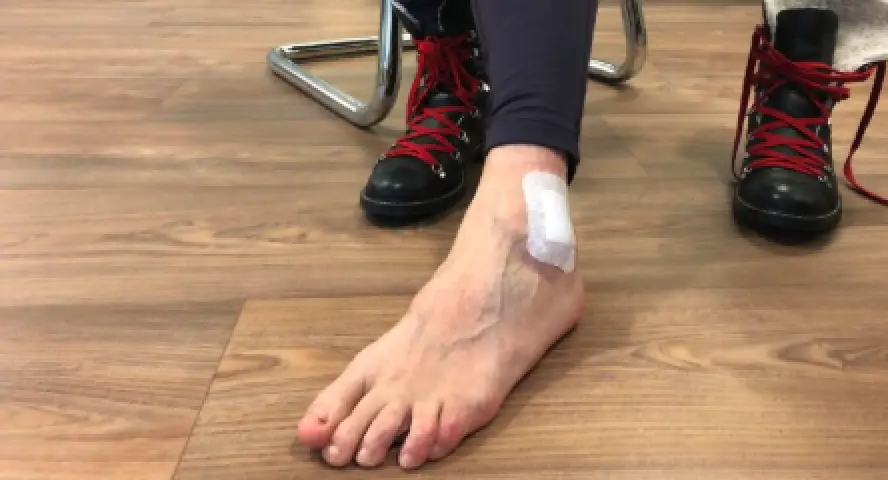
Just after surgery, ready to go home. A soft bandage over the ankle means normal shoes can still be worn.
Week 1 after surgery
First follow-up appointment. The wound is checked, and the dressing comes off.
Week 2 after surgery
Back to normal activity, including long walks and cycling.
Payments
Self-pay or insured
Mr Malagelada sees insured, self-funding and embassy-sponsored patients. A consultation costs £215 to £325 and includes a clinical review, a review of your imaging and a personalised plan.
Self Pay
Bunion keyhole (all-inclusive)
£6,950
Hammer toe keyhole
£3,715
Big toe cheilectomy
£5,212
Big toe fusion
£3,891
Ankle fracture fixation
£3,845
Ankle ligament keyhole repair
£5,196
Ganglion removal
£2,845
Removal of metalwork
£5,115
Ankle / subtalar / triple fusion
£5,076–£7,305
Insurance
Mr Malagelada is recognised as a Specialist Consultant Orthopaedic Surgeon by the insurers listed below. For most policies, your consultation, imaging and treatment are covered. He is fee-assured, which means he does not charge above the limits your insurer has agreed. Contact your insurer before your first appointment to get an authorisation number.
Coming from overseas
International patients
We treat patients travelling from outside the UK regularly, and we will guide you and your family through the process. Care can be arranged through an embassy, a sponsoring organisation, or directly with you from your country of residence. Virtual appointments and second opinions are available before you travel.
Coordinators
Our international team arranges appointments, handles hospital admissions and stays with you throughout your stay.
Virtual and second opinions
Start from home with an online consultation or a second opinion before committing to travel.
Embassy or direct
If your government is sponsoring you, all we need is a signed letter of guarantee from your sponsor authorising payment. We deal with embassies often and can help with the paperwork.